Here you can find current topics about ORBEN and the world of water treatment
Sustainable regeneration of your resins.
Quick resin exchange when it matters
Tailored water systems to meet your needs.
Mobile water treatment in large quantities.
The professional in the three-stage SHK sales channel.
Reliable service, flexible rental solutions.
Specific solutions for every industry.
Optimized methods for the best results.
Customized systems for specific requirements.
Tailored for your area of application.
Premium quality for your processes.
Our knowledge lexicon
Our range of products for the three-stage SHK distribution channel.
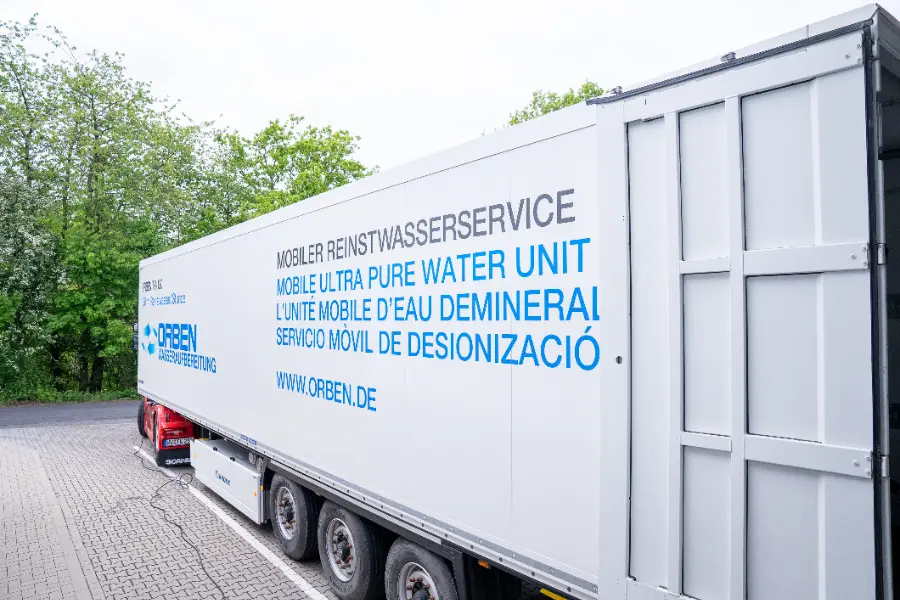
Mobile full desalination plants up to 22,000 l/h pure water output.
Die passenden Patronen für reinstes Wasser
Selecting the right resin determines the ultrapure water quality.
Practical additions to water purification systems.
Reverse osmosis and complete electrical desalination (EDI)
Mobile water treatment in large quantities for flexible applications.
Accurate measurement and quality monitoring.
Comprehensive services in Europe's largest regeneration station.
for applications of 12,000 to 22,000 l/h per individual full desalination plant.
solutions for a wide range of applications.
Calculate the required resin for your project.
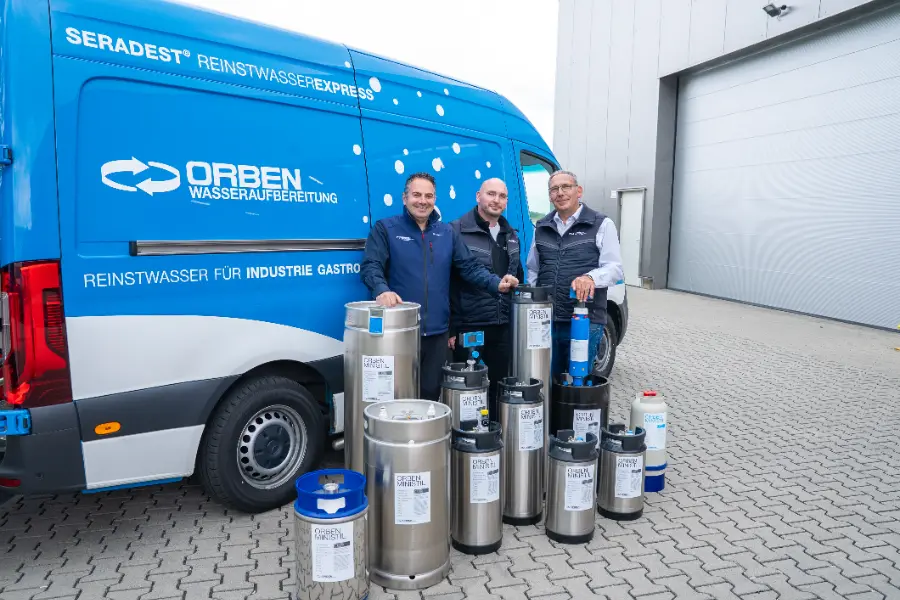
The ORBEN Harz Express is coming to you.
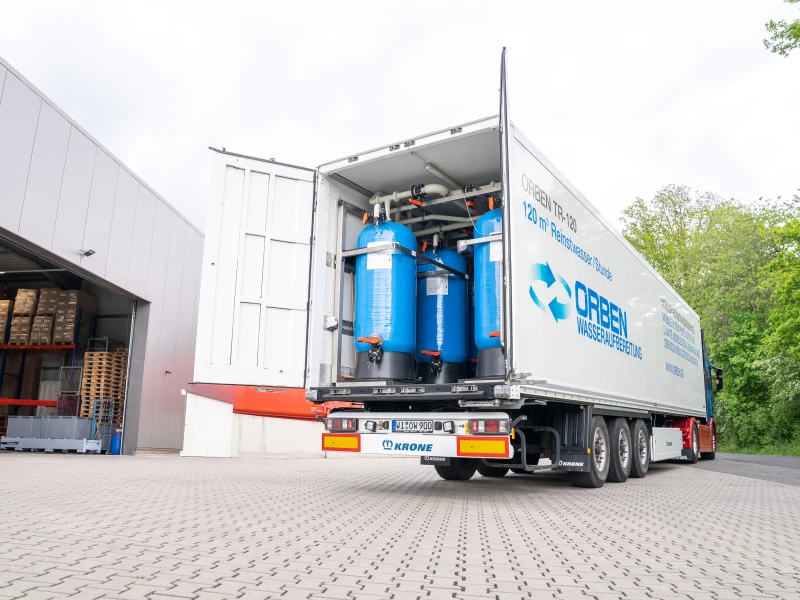
for applications of 10,000 to 60,000 l/h per single trailer.
On behalf of and on behalf of the specialist trade within the three-stage sales channel.
ORBEN at a glance.
Sustainability as a decisive step in the transformation of water treatment.
Our 11 locations in Germany — always close to you.
Shape your future with ORBEN — become part of our team!
Find out how ORBEN solutions work in practice.
Over 50 years of sustainable water treatment.
Stay up to date with the latest news.
We're here for you — get in touch with us.
An overview of recent publications on ORBEN.
Discover helpful articles, tips and tricks about ORBEN.
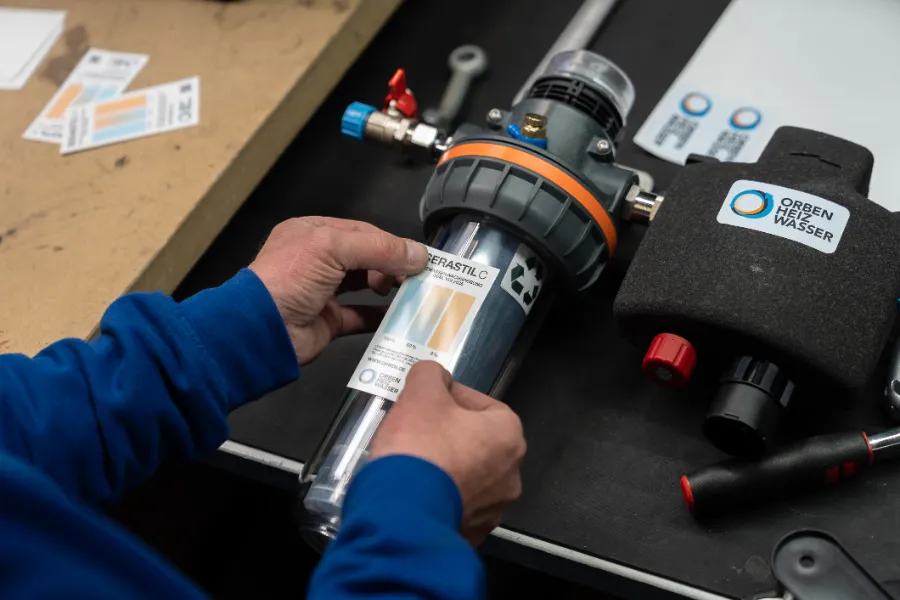
Eine feste Nachspeiseeinheit bereitet das Ergänzungswasser einer Heizungsanlage auf, macht Nachspeisemengen nachvollziehbar und kann die erforderliche Trennung zwischen Trinkwasserinstallation und Heizungsanlage unterstützen. Die SERASTIL-Serien verbinden je nach Ausführung eine Entsalzungskartusche, einen Wasserzähler und eine Füllkombination mit Systemtrenner Typ BA. Entscheidend sind eine fachgerechte Auslegung, die Kontrolle der Kartuschenkapazität sowie die Dokumentation von Nachspeisemenge, Leitfähigkeit, pH-Wert und weiteren relevanten Anlagenwerten.
Ein Magnetitabscheider entfernt magnetische Korrosionsprodukte und Schlamm aus dem zirkulierenden Heizungswasser. Er ersetzt jedoch weder die Aufbereitung des Füll- und Ergänzungswassers noch die Kontrolle von Leitfähigkeit, pH-Wert und Härte. Besonders bei Wärmepumpen, Hocheffizienzpumpen, engen Wärmetauschern und Bestandsanlagen ist deshalb häufig eine Kombination aus Heizwasseraufbereitung, Partikelabscheidung, Messung, Dokumentation und regelmäßiger Wartung sinnvoll.
Die Kosten einer Heizungsbefüllung nach VDI 2035 hängen nicht allein vom Anlagenvolumen ab. Entscheidend sind auch Rohwasserqualität, Zustand des vorhandenen Heizungswassers, gewünschte Wasserqualität, benötigte Harzkapazität, Filtrationsaufwand, Arbeitszeit und Dokumentation. Die THERMOSTIL-Serie verbindet Aufbereitung, Filtration, Messung und Dokumentation in einem auf den SHK-Einsatz abgestimmten System.
Feste Nachfüllstationen sind bei großen Heizungsanlagen sinnvoll, wenn Ergänzungswasser regelmäßig, normorientiert und nachvollziehbar nachgespeist werden muss. Entscheidend sind aufbereitetes Wasser, VDI-2035-konforme Wasserqualität, sichere Systemtrennung, Wasserzähler, Leitfähigkeitsüberwachung, pH-Wert-Kontrolle, Anlagenbuch und ein klares Servicekonzept. Für größere SHK- und TGA-Anlagen passt besonders die ORBEN-SERASTIL-MKS-ready-Welt mit regenerierbarem Mischbettharz, digitaler Überwachung und dokumentierbarer Nachspeisung.
Eine integrierte Nachfüllstation sorgt dafür, dass Ergänzungswasser in Heizungsanlagen kontrolliert, aufbereitet und nach VDI 2035 nachgespeist wird. Sie schützt die Trinkwasserinstallation durch eine sichere Systemtrennung, dokumentiert Nachspeisemengen und erleichtert Wartung sowie Kartuschenwechsel. Für SHK-Betriebe bedeutet das mehr Betriebssicherheit, eine nachvollziehbare Dokumentation und eine dauerhaft hohe Heizwasserqualität. Mit den SERASTIL-Nachspeiseeinheiten bietet ORBEN dafür eine praxisgerechte Lösung inklusive Mehrwegharz-Regeneration.
Eine Rohwasseranalyse vor der Heizungsbefüllung zeigt, ob Trinkwasser direkt geeignet ist oder vor der Befüllung nach VDI 2035 aufbereitet werden muss. Für SHK-Betriebe sind vor allem Leitfähigkeit, Härte, pH-Wert, Chlorid, Eisen, Temperatur, Anlagenvolumen und Werkstoffe relevant. Entscheidend ist nicht nur die Messung des Rohwassers, sondern die dokumentierte Umwandlung in geeignetes Füllwasser und später Ergänzungswasser.
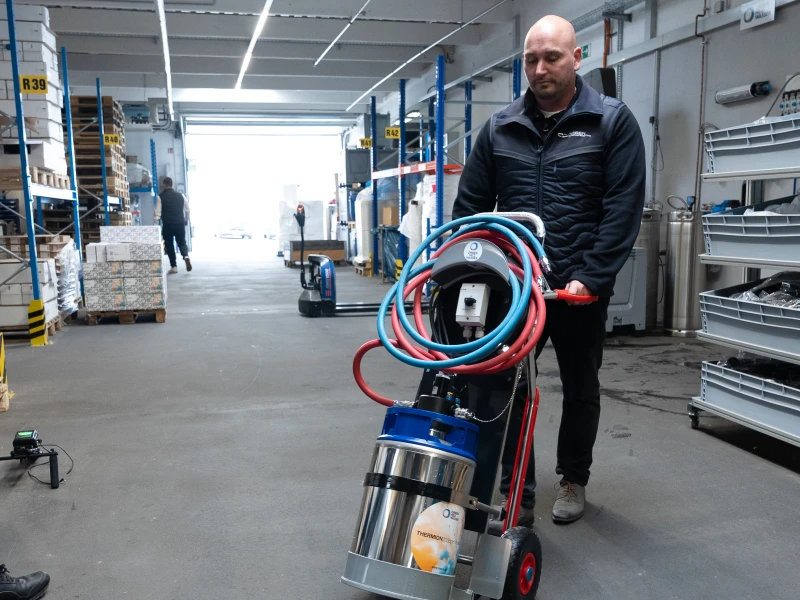
Eine Füllstation für die Heizung ist im SHK-Kontext keine Containerlösung, sondern eine mobile oder stationäre Einheit zur Aufbereitung, Befüllung, Nachspeisung, Messung und Dokumentation von Heizungswasser. Entscheidend sind VDI-2035-konformes Füll- und Ergänzungswasser, sichere Systemtrennung nach DIN EN 1717 bei Nachspeisung, saubere Messwerte zu Leitfähigkeit, pH-Wert und Härte sowie ein nachvollziehbares Anlagenbuch. ORBEN deckt diesen Prozess mit THERMOSTIL Mobil, THERMOSTIL Fix, SERASTIL, THERMION 2035 pH conform und der ORBEN Messbox im SHK-Sortiment ab.
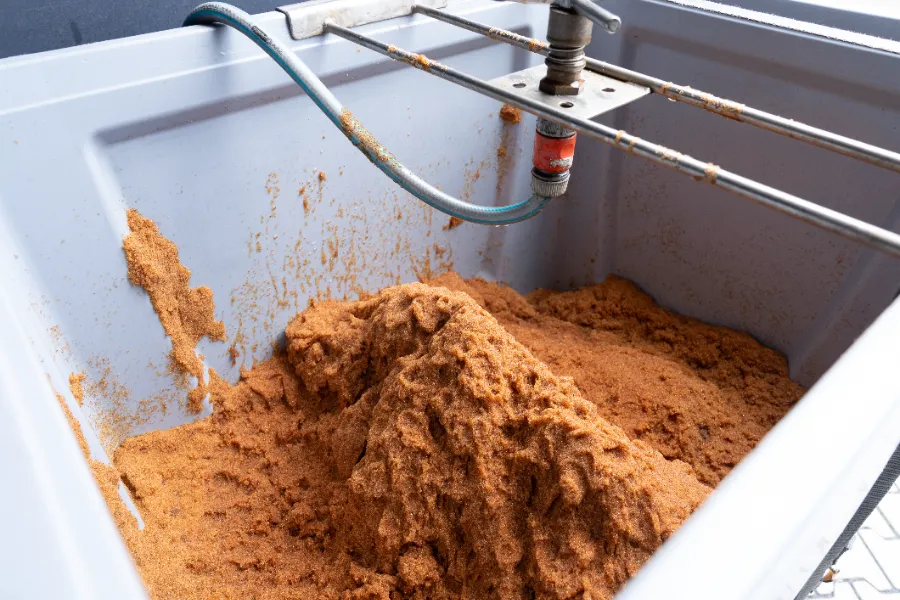
Kationenaustauscherharze entfernen positiv geladene Ionen wie Calcium und Magnesium aus Wasser und sind ein zentraler Baustein in Enthärtung, Vollentsalzung, Heizwasseraufbereitung, Reinstwassertechnik und Regeneration. Entscheidend ist nicht nur das Harz selbst, sondern die passende Harzlogik: Kationentauscher für Härtereduktion, Mischbett für sehr niedrige Leitfähigkeit und VE-/DI-/Reinstwasser, sowie regenerierbare Systeme für nachhaltige Betriebsprozesse. ORBEN unterstützt Betreiber und Fachpartner bei Auswahl, Prüfung, Harzwechsel, Dokumentation und Regeneration – vom SHK-Kontext mit THERMION, THERMOSTIL und SERASTIL bis zu Harz-Express, Regenerierstation Wiesbaden und Reinstwassersystemen.
Entkarbonisierung von Wasser ist in der industriellen Wasseraufbereitung sinnvoll, wenn hohe Carbonathärte, Hydrogencarbonat und freie Kohlensäure nachgeschaltete Umkehrosmose-, Ionenaustauscher-, Kessel- oder Reinstwasseranlagen belasten. Entscheidend ist nicht nur die Gesamthärte, sondern die Kombination aus Carbonathärte, Alkalität, pH-Wert, CO₂-Gleichgewicht, Leitfähigkeit, Temperatur und Zielwasserqualität. Je nach Rohwasseranalyse kann Entkarbonisierung durch schwachsauren Kationenaustausch, Entgasung, Säuredosierung oder eine Kombination mit Umkehrosmose, EDI und Mischbett sinnvoll sein.
Entmineralisierung von Wasser ist im Labor keine reine Begriffsfrage. Entscheidend ist, welche Wasserqualität eine Anwendung wirklich braucht: VE-Wasser kann für viele technische und vorbereitende Laborprozesse ausreichen, während Reinstwasser für sensible Analytik, definierte Prozesse, hygienische Anforderungen oder qualitätskritische Anwendungen erforderlich sein kann. Die richtige Lösung entsteht aus Rohwasseranalyse, Zielqualität, Verbrauchsprofil, Messkonzept, Serviceintervall und Dokumentation. ORBEN unterstützt Labor- und Klinikbetreiber mit individuell ausgelegten Reinstwasserkonzepten, Umkehrosmose, Mischbett, optionaler EDI-Stufe, Harz-Express, Regeneration und Wartung.
Teilentsalztes Wasser reicht aus, wenn in einem industriellen Prozess vor allem Härte, Hydrogencarbonat oder ausgewählte Ionen reduziert werden müssen. Vollentsalztes Wasser ist erforderlich, wenn nahezu alle gelösten Ionen entfernt werden sollen und eine niedrige Leitfähigkeit, definierte Resthärte oder ein enges Ionenprofil prozesskritisch sind. Entscheidend ist nicht der Begriff „entsalzt“, sondern die konkrete Spezifikation aus Ziel-Leitfähigkeit, Resthärte, Ionenprofil, Durchsatz, Betriebssicherheit und Dokumentation. ORBEN unterstützt Betreiber dabei mit Wassersystemen, Ionenaustauschertechnik, Umkehrosmose, Mischbett, Harz-Express, Jumbostil, mobiler Wasseraufbereitung und Regeneration.
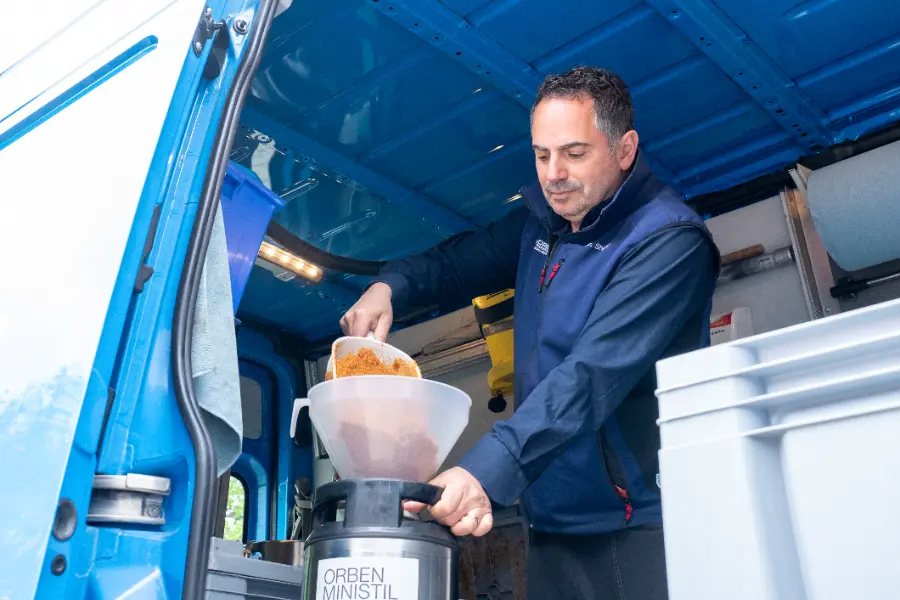
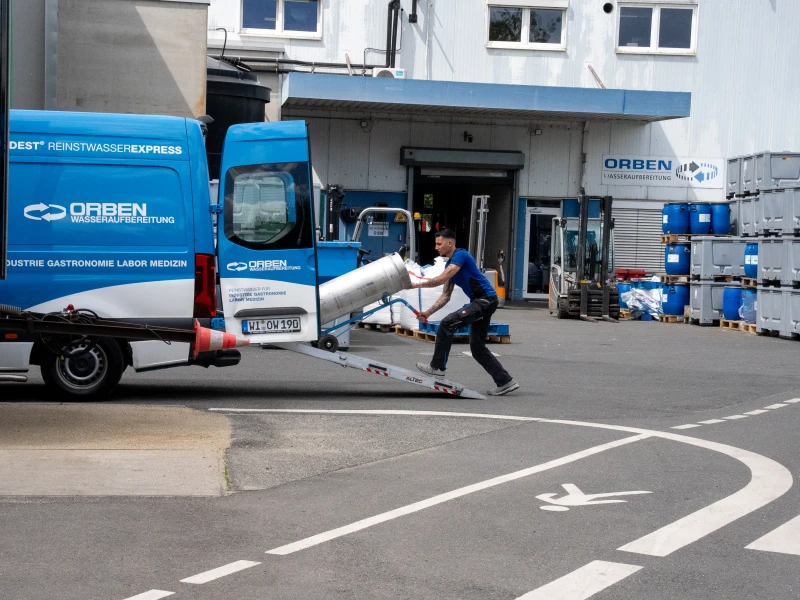
Mischbettharzpatronen werden in der Heizwasseraufbereitung gewechselt, wenn die Patrone erschöpft ist und der Ziel-Leitwert nicht mehr sicher erreicht wird. Für SHK-Fachhandwerk und TGA ist der ORBEN Harz Express eine praktische Service-Lösung, weil erschöpfte Patronen direkt vor Ort gewechselt oder neu befüllt werden können. Entscheidend für die richtige Patrone sind Rohwasserqualität, Leitfähigkeit, Härte, Harzvolumen, gewünschter Zielwert und die geplante Wassermenge. ORBEN verbindet Harzwechsel, Mehrwegharz, Regeneration, Mess- und Prüftechnik sowie Dokumentation zu einem serviceorientierten System für die Heizwasseraufbereitung nach VDI 2035.
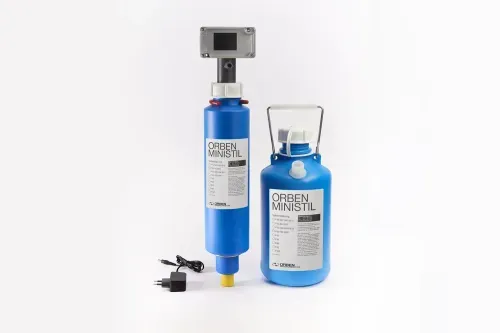
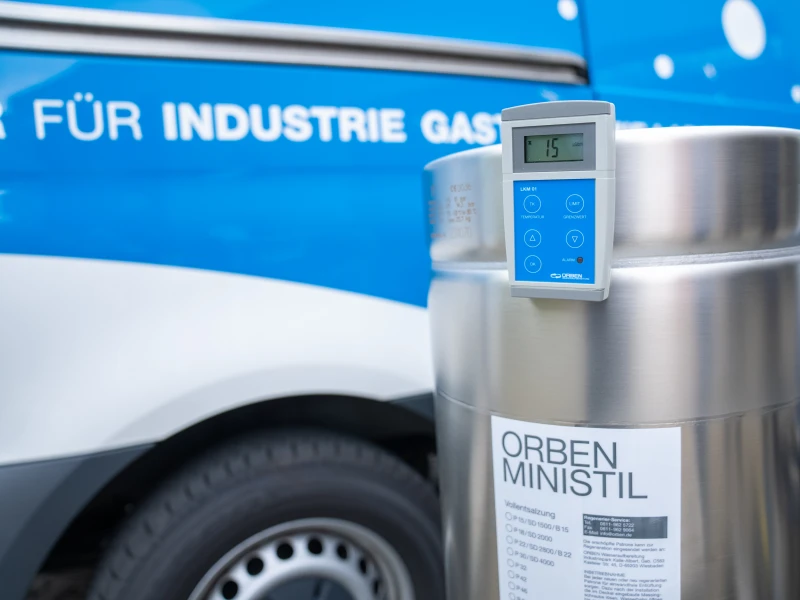
Eine Vollentsalzungspatrone für die Heizung sollte nicht pauschal nach Gefühl gewechselt werden, sondern nach Kapazität, Rohwasserqualität, Leitfähigkeit und sichtbarer Erschöpfungsanzeige. Die ORBEN MINISTIL VE P-3 ist eine kompakte Vollentsalzungspatrone für die Heizwassernachspeisung im SHK-Bereich und eignet sich für Fachbetriebe, die kleinere Mengen Ergänzungswasser normgerecht aufbereiten möchten. Entscheidend sind die richtige Auslegung, eine sichere Installation, die Beachtung der Trinkwassertrennung und eine saubere Dokumentation im Betriebsbuch. Wer Leitwert, Literleistung und Wechselzeitpunkt konsequent prüft, reduziert Korrosionsrisiken, schützt Anlagenkomponenten und kann Serviceeinsätze besser planen.
Eine Harzkartusche für Heizwasseraufbereitung muss trocken, kühl, geschützt und eindeutig zugeordnet gelagert werden, damit Harzqualität, Leitwertleistung und Prozesssicherheit auf der Baustelle erhalten bleiben. Für SHK-Betriebe sind vor allem intakte Verpackung, passende Kartuschengröße, rechtzeitiger Tausch, Messung von Leitfähigkeit, pH-Wert und Härte sowie die Dokumentation im Anlagenbuch entscheidend. Regenerierbare VE-Patronen und Mehrwegharz-Systeme bieten gegenüber Einwegkartuschen Vorteile bei Nachhaltigkeit, Planbarkeit und TCO. ORBEN verbindet dafür SERASTIL, THERMOSTIL, THERMION 2035 pH conform, Messbox und Regeneration zu einem praxistauglichen SHK-Prozess.
Eine VDI-2035-Tabelle hilft Fachhandwerk, Kundendienst und Betreibern, Heizungswasserwerte wie Leitfähigkeit, pH-Wert und Härte einzuordnen. In Bestandsanlagen reicht ein Einzelwert aber selten aus. Entscheidend ist die gemeinsame Bewertung von Messwerten, Werkstoffen, Nachspeisehistorie, Sichtbefund, Magnetit, Schlamm und Dokumentation. Wer frühere Befüllungen nicht kennt, sollte strukturiert messen, die Historie rekonstruieren, Risiken bewerten und daraus Maßnahmen wie Nachkontrolle, Filtration, Bypass-Aufbereitung, Nachspeiseprüfung oder ORBEN-Service ableiten.
Heizungswasser sollte nicht einfach manuell mit Leitungswasser ergänzt werden. Jede Nachspeisung beeinflusst Leitfähigkeit, Sauerstoffeintrag, Härte und Korrosionsrisiko. Mit SERASTIL Nachspeiseeinheiten, Wasserzähler, Leitwertmessung und Anlagenbuch lässt sich Ergänzungswasser nach VDI-2035-Logik aufbereiten und nachvollziehbar dokumentieren. Das unterstützt SHK-Fachbetriebe bei Wartung, Übergabe, Gewährleistungsfällen und dauerhaft stabiler Heizwasserqualität.
Die Leitfähigkeit im Heizungswasser zeigt, wie viele gelöste Salze und Ionen im Anlagenwasser vorhanden sind. Nach VDI 2035 ist sie ein zentraler Orientierungswert für salzarme Betriebsweise, Korrosionsrisiken und die Qualität von Füll- und Ergänzungswasser. In der Praxis reicht ein Einzelwert jedoch nicht aus. Entscheidend sind Messstelle, Temperatur, pH-Wert, Härte, Nachspeisemenge, Anlagenhistorie und Verlauf. ORBEN unterstützt SHK-Fachhandwerk, TGA und Betreiber mit ORBEN Messbox, Messbox Pro, THERMOSTIL Mobil, THERMOSTIL Fix, THERMION 2035 pH conform, SERASTIL-Nachspeiseeinheiten, Anlagenbuch und Heizwasser-Service.
Die VDI 2035 ist die zentrale Richtlinie für die Vermeidung von Schäden durch Steinbildung und wasserseitige Korrosion in Warmwasser-Heizungsanlagen. Für SHK-Fachbetriebe ist sie bei Befüllung, Nachspeisung, Sanierung, Kesseltausch und Dokumentation relevant. „DIN 2035“ ist im Heizwasser-Kontext fachlich falsch oder zumindest ein kritischer Schreibfehler. In Angeboten, Ausschreibungen, Messprotokollen und Anlagenbüchern sollten SHK-Betriebe deshalb sauber zwischen VDI 2035, DIN EN 14336 und DIN EN 1717 unterscheiden. ORBEN unterstützt diesen Prozess mit Heizwasseraufbereitung, THERMOSTIL, SERASTIL, THERMION 2035 pH conform, Messbox, Anlagenbuch und SHK-Service.
With a minimum shelf life of 24 months for its regenerable high-performance resin "Thermion 2035 pH conform", water specialist Orben from Wiesbaden provides additional planning reliability for wholesalers and the HVAC trade.
The pH value in heating water is crucial during the commissioning of energy systems for corrosion protection, material compatibility, standard compliance, and future operational safety. What's critical is not a one-time correction, but rather a meticulously planned process involving raw water analysis, material testing, demineralization or conditioning, degassing, measurement strategy, follow-up checks, and documentation. This article demonstrates how operators, technical managers, HVAC planners, and plumbing and heating contractors can avoid common mistakes.
For new district heating systems, a refill station is not an accessory, but a critical component for safety, compliance, and documentation during commissioning. Key factors are clear water quality objectives, appropriate system separation, a measurement and logging concept, resin and maintenance logic, and proper handover to the operator. Ignoring the refill station until after the system is filled risks incorrect make-up water, unclear responsibilities, warranty disputes, and unnecessary operating costs.
Eine mobile Nachfüllstation sichert die temporäre Nachspeisung von Heizungswasser, wenn stationäre Nachfülleinheiten ausfallen, Sanierungen laufen oder kurzfristig normgerechtes Ergänzungswasser benötigt wird. Entscheidend sind VDI-2035-konforme Wasserqualität, sichere Trennung vom Trinkwassernetz, kontrollierte Druckhaltung, Messung von Leitfähigkeit und pH-Wert sowie eine lückenlose Dokumentation. Für größere Volumenströme, Revisionen oder Wärmenetze kann statt einer kompakten Nachfüllstation ein mobiler Trailer-Service sinnvoller sein.
Feste Nachfüllstationen für Heizungsanlagen sorgen in Kraftwerken, Fernheizwerken und großen Prozesswärmeanlagen dafür, dass Ergänzungswasser nicht zufällig, sondern kontrolliert, normgerecht und dokumentiert in den Kreislauf gelangt. Entscheidend sind passende Auslegung nach VDI 2035 und AGFW FW 510, sichere Trennung vom Trinkwassernetz, Leitfähigkeitsüberwachung, Wasserzähler, Harz- und Servicekonzept, Einbindung in Betriebsführung und Auditdokumentation.
In laufenden Reinstwasser-Anlagen entscheidet nicht ein einzelner Messwert über Prozesssicherheit, sondern ein stabiles Zusammenspiel aus Sensorik, Trenddaten, Polisher-Strategie, Harzmanagement, Verteilung, Probenahme und auditfähiger Dokumentation. Wer aufbereitetes Wasser dauerhaft unter 0,1 µS/cm halten will, muss steigende Leitfähigkeit früh erkennen, Messfehler ausschließen, die Ursache entlang der Aufbereitungskette lokalisieren und passende Maßnahmen wie Harzwechsel, Regeneration, EDI-Optimierung, CO₂-Kontrolle oder mobile Absicherung einleiten.
Wer in Prozesswasseranlagen aufbereitetes Wasser zuverlässig bereitstellen muss, sollte Mischbettharz nicht nur nach Füllpreis, sondern nach Total Cost of Ownership bewerten. Regeneration, Vor-Ort-Austausch, Austauschpatrone, Neuharz, JUMBOSTIL oder Trailer-System haben jeweils eigene Stärken.
Replenishing heating system water is not a simple refilling process, but an operational process that impacts corrosion, scaling, sludge formation, documentation, and system availability. For district heating networks, hospitals, large buildings, and industrial heating systems, the makeup water system must be designed based on water quality, flow rate, raw water analysis, leakage characteristics, redundancy, and the service concept.
Der pH-Wert im Heizungswasser ist kein isolierter Laborwert, sondern ein Frühindikator für Korrosionsrisiken, Sauerstoffeintrag, falsche Nachspeisung, erschöpfte Harze und ungeeignete Betriebsweisen. Wer pH-Wert, Leitfähigkeit, Sauerstoff, Härte, Magnetit und Nachspeisemengen gemeinsam überwacht, kann Schäden vermeiden, Stillstände reduzieren und VDI-2035- beziehungsweise FW-510-konforme Wasserqualität auditfähig dokumentieren.
Heating water quality is crucial not just at initial filling, but throughout ongoing operation. Conductivity, pH value, hardness, oxygen, refill quantities, temperature, turbidity, and magnetite must be monitored so that operators can detect deviations early, accurately assess causes, and implement documented measures.
Heating water conductivity is an important indicator of salt content and thus of the corrosion risk in heating systems. VDI 2035 recommends low-salt operation for many systems, with the lowest possible conductivity values, to prevent damage and deposits. Regular measurements help monitor water quality and detect make-up water additions or system changes early. A table containing VDI 2035 guideline values and practical values facilitates the evaluation of measured conductivity and supports standard-compliant documentation.
VDI 2035-compliant heating water treatment protects modern heating systems from scale, corrosion, and magnetite deposits, which can lead to efficiency losses and damage. Full demineralization removes hardness minerals and dissolved salts, while special resins simultaneously help stabilize the pH value. Beyond the initial fill, standard-compliant top-up with treated make-up water is also crucial for the system's long-term protection. Additional measures like magnetite separators help keep pumps, heat exchangers, and other sensitive components reliably operational.
This comprehensive article explains the chemical role of bicarbonate as a pH buffer in heating water, demonstrates its influence on scale formation and corrosion, and links regulatory requirements (VDI 2035, AGFW FW 510) with practical recommendations. It is aimed at asset and operations managers, as well as skilled trades, and explains how professional analysis, proper water treatment, and continuous monitoring contribute to preventing pH drift.
Water used in modern lithium-ion cell manufacturing is not merely an operating medium; it's a quality-critical process factor. Key factors include deionized water, stable conductivity, particle and metal control, safe rinsing processes, documented quality, recovery concepts, and water treatment that is integrated into Gigafactory planning from the outset.
For industrial processes, deionized water is far more than just low-mineral water. Key factors are target conductivity, stable continuous treatment, an appropriate process chain comprising reverse osmosis, EDI, or ion exchange, continuous measurement, documented regeneration, and an economical service architecture.
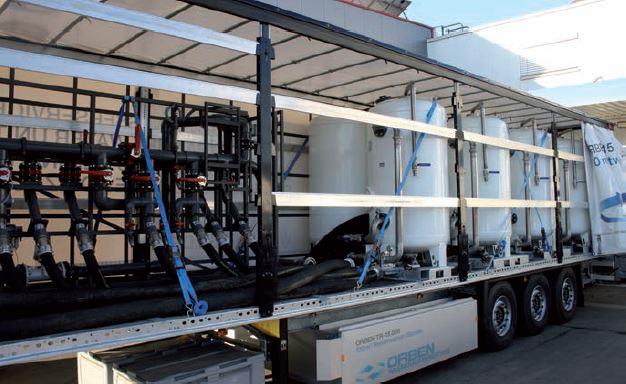
This article explains how asset and operations managers in power plants, district heating networks, and process facilities can utilize mobile trailer systems to quickly provide large quantities of deionized water for overhauls and emergencies. It covers the selection of trailer versus container solutions, describes logistical lead times, presents practical examples, and offers detailed tips on winter suitability and compliant water quality according to VDI 2035 and AGFW FW 510. Meta Title: Trailer Service for Overhauls & Emergencies – Mobile Water Treatment up to 120 m³/h | ORBEN Meta Description: Need 60 m³/h of deionized water for an overhaul on short notice? Discover how ORBEN's mobile trailer systems deliver up to 120 m³/h, what lead times apply, how container and trailer solutions differ, and what's crucial for frost protection and compliant water quality.
Die AGFW FW 510 beschreibt, welche Wasserqualität Kreislaufwasser in Fernwärme- und industriellen Heißwasseranlagen haben muss, damit Steinbildung, Korrosion, Magnetit, Sauerstoffeintrag und Betriebsstörungen kontrolliert werden. Für Betreiber großer Wärmenetze ist entscheidend, Füll-, Ergänzungs- und Kreislaufwasser nicht isoliert zu betrachten, sondern als dokumentierten Betriebsprozess aus Vollentsalzung, Entgasung, Filtration, pH-Konditionierung, Messung und Nachspeisemanagement. Der Artikel erklärt die Unterschiede zu VDI 2035 Heizungswasser, zeigt typische Zielbereiche, beschreibt die technische Umsetzung der Nachspeisung nach FW 510 und ordnet ein, wann mobile Trailer-Systeme, Regeneration von Ionenaustauscherharzen und laufende Analytik sinnvoll sind.
Wer Mischbettharz regenerieren lässt, entscheidet nicht nur über Kosten und Ressourcenschonung, sondern auch über Betriebssicherheit, Nachweisfähigkeit und Audit-Risiko. Für Wärmenetze, Energieanlagen, Prozesswasser, Heizwasser nach VDI 2035 und Fernwärme nach AGFW FW 510 ist eine professionelle Harz-Regeneration besonders dann sinnvoll, wenn jede Patrone chargenbezogen dokumentiert, geprüft, eindeutig gekennzeichnet und nachvollziehbar freigegeben wird. Externe Regenerierstationen sind gegenüber In-house-Lösungen häufig im Vorteil, weil sie definierte Prozesse, kontrollierte Regenerationsbedingungen, dokumentierte Qualitätssicherung und Mehrwegharz-Kreisläufe bündeln.
Operating costs in water treatment are rarely determined by the purchase price of a cartridge or system. Key factors are standard compliance, resin strategy, service model, sensor technology, documentation, and downtime risk. This guide shows how operators can make their water treatment system significantly more cost-effective in the long term with a structured audit, a clear ROI calculation for reusable resin, the right make-or-buy decision, and predictive maintenance.
In the case of ion exchange water, it is not only the quality of the resin that is decisive, but above all the logic of measurement, exchange intervals, the rotation principle, the supply of spare parts and the escalation path. This article shows how asset and operational managers organise the Harz Express in such a way that mixed-bed resin cartridges can be replaced in a planned manner, failure risks are reduced and larger requirements are transferred cleanly to JUMBOSTIL, trailer service or inline desalination.
Moderne Vollentsalzung ist mehr als ein niedriger Leitwert. Dieser Beitrag zeigt, wie Ionenaustausch und Ionenaustauscherharze in Heizungs-, Fernwärme-, Kraftwerks- und Prozessanlagen richtig ausgewählt, ausgelegt, beprobt, überwacht und regeneriert werden — inklusive Gewährleistungsrisiken, Vergleich mobiler und stationärer Systeme sowie praktischer Antworten auf die wichtigsten Betreiberfragen.
VDI 2035 endet nicht mit der Erstbefüllung. Wer Heizungswasser normkonform betreiben will, braucht belastbare Grenzwerte, saubere Probenahme, feste Prüfintervalle, lückenlose Dokumentation und ein passendes Nachspeise- oder Aufbereitungskonzept. Der Beitrag zeigt, wie Betreiber, Planer und Fachhandwerker Ausfälle, Verschlammung und Streit um Gewährleistung wirksam vermeiden.
Purified water in pharmaceutical and laboratory contexts is not merely a generic utility, but an integral part of the quality system. Critical aspects include correct standard classification, a robust purification train comprising pretreatment, reverse osmosis, EDI, and optionally polishing, as well as comprehensive documentation of qualification, monitoring, trend data, and changes.
Carbonic acid in process water is not a minor issue, but a critical operational factor influencing pH value, cation conductivity, and corrosion risks in feedwater, condensate, and pure water systems. The article explains why deionizing water alone does not automatically solve CO2 problems, how free carbonic acid is correctly interpreted, and when thermal or membrane degassing is economically viable. It also provides a practical perspective on the current VGB guidelines for limit values and demonstrates how ORBEN offers stationary and mobile solutions for these challenges.
Ion exchange resins are at the heart of many treatment processes for heating and process water. They remove dissolved ions by exchanging them for resin-bound counter-ions and must be regenerated regularly to maintain their capacity. For operators of heating networks, energy, and process plants, the correct resin selection is crucial: It influences the service life, regeneration intervals, compliance with standards such as VDI 2035 and AGFW FW 510, and ultimately the Total Cost of Ownership. High-quality mixed-bed and cation/anion exchange resins from reputable manufacturers have high capacity, chemical resistance, and a long service life.
A practical guide for asset and operations managers, HVAC/plumbing trades, and technical building services planners: The article explains the role of pH in heating water, presents the applicable limit values according to VDI 2035 and AGFW FW 510, and demonstrates why pH measurement and regulation are indispensable for operational safety, corrosion protection, and economic efficiency. Furthermore, it explains the causes of pH deviations, describes measurement methods, and introduces measures for sustainable pH stabilization.
This comprehensive article explains how mixed-bed resins work, where they are used, and why professional regeneration is economically and ecologically beneficial. It highlights the cost factors, the environmental benefits of reusable resins, and demonstrates, using examples from district heating networks, process plants, and future industries, how sustainable application and regulatory compliance can be reconciled. A structured decision-making guide helps operators find the right solution for their needs.
Water make-up units ensure the compliant supply of treated water for heating and district heating systems. This guide explains the requirements of VDI Guideline 2035, AGFW Worksheet FW 510, and the drinking water protection standard DIN EN 1717. It describes the technology of modern water make-up units – from mobile devices to stationary make-up units – and shows how asset managers, HVAC technicians, and building services planners can optimize operational safety, total cost of ownership, and sustainability.
Topping up heating water is more than a temporary fix: it must be done in compliance with standards to prevent corrosion and limescale damage. This article details the current limit values according to VDI 2035 and AGFW FW 510, explains the requirements for make-up water, and analyzes why system separators according to DIN EN 1717 are mandatory. In addition, different top-up systems (cartridges, stationary units, mobile trailers) are compared, and strategic recommendations are provided for operators of heating networks, process plants, and the HVAC trade.
Heating water is more than just a medium – it's the lifeblood of your system. Whether you should soften or completely demineralize the water for your district heating network or your energy and process plant depends on standards, materials, operating mode, costs, and sustainability. This article explains the differences between softening and complete demineralization, outlines the chemical principles, normative limit values according to VDI 2035 and AGFW FW 510, and offers decision-making aids for asset managers, planners, and tradespeople. It clarifies why completely demineralized water is often the safer choice, when a saline operating mode is permissible, and how sustainable multi-use resin and trailer systems reduce the Total Cost of Ownership.
This article explains why treated heating water is essential for modern heating and district heating systems. It clarifies the legal and regulatory requirements according to VDI 2035 and AGFW FW 510, describes the critical water parameters, and outlines methods for softening, demineralization, filtration, pH regulation, and degassing. Practical recommendations help asset managers, HVAC professionals, and building services planners ensure operational reliability, optimize Total Cost of Ownership, and implement sustainable solutions.
Füllpatronen stellen eine einfache Möglichkeit dar, Heizungsanlagen normgerecht mit vollentsalztem Wasser zu befüllen. Der Beitrag erklärt, welche gesetzlichen Rahmenbedingungen nach VDI 2035 und AGFW FW 510 gelten, wie Füllpatronen funktionieren, wie ihre Kapazität dimensioniert wird und warum Mehrwegharz-Lösungen die langfristig nachhaltigere Wahl sind. Zudem werden praktische Tipps zur normgerechten Befüllung, zur Dokumentation und zur Auswahl der passenden Technik gegeben.
This comprehensive technical article explains step-by-step how operators and qualified installers properly fill heating systems. It describes the normative requirements according to VDI 2035 and AGFW FW 510, outlines limit values for conductivity, pH value, and hardness, and highlights the importance of oxygen content and particle-free water. Furthermore, various treatment methods – from softening and demineralization to pH regulation – are explained, and recommendations for measurement and documentation technology are provided. Finally, practical recommendations offer tips for selecting ion exchange systems, mobile trailer solutions, and sustainable reusable resins.
Fully demineralized heating water reduces scale formation and lowers the risk of corrosion, but it's not a panacea. It's crucial to consider which demineralization process suits the system and whether oxygen, magnetite, pH stability, make-up water, and documentation are also taken into account.
Der Beitrag richtet sich an Asset‑ und Betriebsverantwortliche für Wärmenetze, Energie‑ und Prozessanlagen sowie an das SHK‑Fachhandwerk und die TGA‑Fachplanung. Er erläutert, warum die Auswahl eines geeigneten Wasseraufbereitungssystems für Heiz‑ und Prozesswasser strategische Bedeutung hat, welche Normen (VDI 2035, AGFW FW 510) einzuhalten sind und wie sich Kauf‑, Betriebs‑ und Regenerationskosten im Sinne der Gesamtbetriebskosten betrachten lassen. Praxisnahe Entscheidungslogiken, Nachhaltigkeitsaspekte (Mehrwegharz, mobile Trailer Systeme) und Ausblicke auf High‑Tech‑Anwendungen runden den Artikel ab.
Low electrical conductivity is crucial for low-corrosion heating and district heating networks. This article explains why dissolved salts in heating water cause corrosion, which limit values are stipulated by standards VDI 2035 and AGFW FW 510, how conductivity and pH are related, and how operators, planners, and the HVAC industry can correctly measure and document conductivity to ensure operational safety and sustainability.
For operators of heating networks and process plants, standard-compliant heating system filling according to VDI 2035 is not just a legal requirement, but also a significant economic advantage. This article explains the relevant limit values for conductivity, pH, hardness, and oxygen, describes the step-by-step treatment of fill water, and analyzes all cost components – from ion exchange cartridges and measurement and regeneration services to the consequential costs of non-compliance. Optimization strategies such as reusable resin, mobile trailers, digital sensor technology, and documented processes help reduce the Total Cost of Ownership while simultaneously increasing sustainability and project security.
Deionization and demineralization are closely related water treatment processes. This article explains, based on technical principles, standards (e.g., VDI 2035), and practical examples, why the removal of dissolved ions (deionization) and complete desalination (demineralization) are essential for heating water, energy and process plants, and high-tech industries. Readers will learn which processes are suitable, which limit values apply, and how sustainable multi-use resin systems reduce the Total Cost of Ownership.
This guide explains the normative limits for electrical conductivity, water hardness, and pH value according to VDI 2035 and AGFW FW 510. It shows how these parameters are related, what effects they have on corrosion and scale formation in heating and district heating networks, and how operators can economically and sustainably produce standard-compliant water qualities with modern ion exchange and trailer systems.
Asset and operations managers in heating networks, energy, and process plants, along with HVAC/plumbing professionals, require a clear basis for deciding between cation exchangers, anion exchangers, and mixed-bed systems. This article explains the chemical operating principles of various ion exchange resins, outlines their applications in heating and process water treatment, and details the standards and limits (VDI 2035, AGFW FW 510) that must be observed. It also analyzes regeneration concepts, sustainability aspects, and total cost of ownership to strategically evaluate the use of reusable resin and mobile trailer systems.
This article explains the limit values and testing requirements for heating, make-up, and circulating water according to VDI 2035 and AGFW FW 510. It highlights the importance of pH value, conductivity, hardness, and oxygen content, outlines testing methods for new and existing systems, and explains how operators and planners can achieve standard compliance, operational safety, and sustainable total cost of ownership.
The regeneration of ion exchangers ensures efficiency, operational reliability, and standard-compliant water quality. This article explains the fundamentals, legal requirements (VDI 2035/FW 510), the resin regeneration process, and the requirements for documentation, sustainability, and auditability.
In Heiz- und Fernwärmenetzen entscheidet die Wasserqualität über Effizienz und Lebensdauer. Dieser Artikel erklärt das chemische Prinzip des Ionenaustauschs, zeigt, wie Vollentsalzung und Mischbett‑Harze die VDI‑2035‑Grenzwerte für Leitwert, pH‑Wert, Härte und Sauerstoff erfüllen und warum regenerierbare Mehrwegharze Betriebskosten und Umweltbelastung reduzieren.
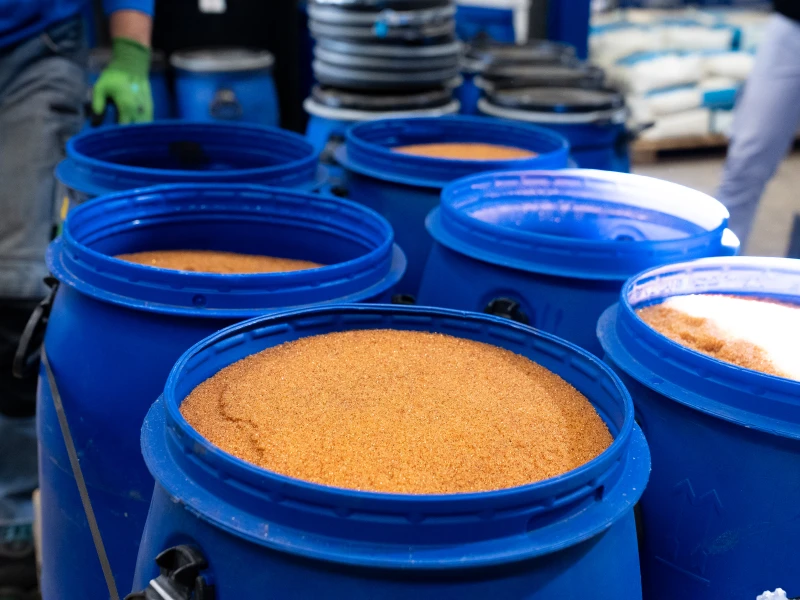
This article is aimed at asset and operations managers for district heating systems, as well as designers and specialist contractors, and explains why the regeneration of mixed-bed resin is indispensable for heating and process water systems. It explains the chemical operating principle of mixed-bed resins, describes the individual steps of the regeneration process in clear language, and places them in the context of standards VDI 2035 and AGFW FW 510. Furthermore, it examines the economic aspects and cost factors, focusing on sustainability, Total Cost of Ownership, and standard-compliant documentation. Finally, the article demonstrates how ORBEN, with its mobile "Harz-Express" service and Europe's largest regeneration station, offers resource-efficient solutions, and highlights other topics related to heating water treatment and pure water for industries of the future that are worth reading.
The article explains how plant operators can treat heating water in accordance with standards and shows the advantages and disadvantages of bypass and inline desalination. It explains limits in accordance with VDI 2035 and AGFW FW 510 that must be met for corrosion-free operation, and provides decision-making tools on total operating costs, sustainability and emergency preparedness.
This article examines the role of mobile water treatment systems in the context of the heating and energy transition. It shows how trailer-mounted systems reliably supply up to 120 m³/h of ultrapure water in emergencies, during overhauls, or for long-term projects, which standards (VDI 2035, AGFW FW 510) must be observed, and why compliance with conductivity, pH value, and oxygen content is crucial for operational safety and warranty. The article explains technical parameters, describes risks such as corrosion and deposits, highlights sustainability aspects (reusable resin regeneration), and demonstrates how asset managers and the HVAC/plumbing trade can strategically deploy mobile solutions.
Heating and heating network operators must treat the circulating water in accordance with standards so that boilers, pumps and pipes are protected from corrosion and lime. This article explains the requirements of VDI 2035 and the AGFW worksheet FW 510, describes the limits for pH value, conductivity and hardness, and shows how operators can achieve stable, efficient and sustainable heating water through desalination, pH regulation and continuous monitoring.
Orben is represented at HEAT Expo in Dortmund — the trade fair for heat supply, energy efficiency and sustainable heating technologies.
Orben is represented at GET NORD in Hamburg in 2026 — the leading trade fair for electrical, plumbing, heating and air conditioning in northern Germany.
Orben is represented at SHK+E ESSEN in 2026 — one of the most important trade fairs for sanitation, heating, air conditioning and electronics in western Germany.
From April 14 to 17, 2026, Orben will be present at IFH INTHERM in the Nuremberg Exhibition Center — the central trade fair for sanitary, home and building technology.